Buyer knowledge · 2026-11-20
What does a condominium cost to own besides the mortgage?
By Tim Tepes, pa licensed associate broker and realtor®
The mortgage payment is only part of the monthly bill on a condominium. On top of it, the owner pays an HOA fee, an interior insurance policy, property taxes, utilities, and the occasional special assessment, so the true cost of ownership is the mortgage plus every one of those lines. Here is what to budget for before you make an offer on a first-floor condo in the Lehigh Valley.
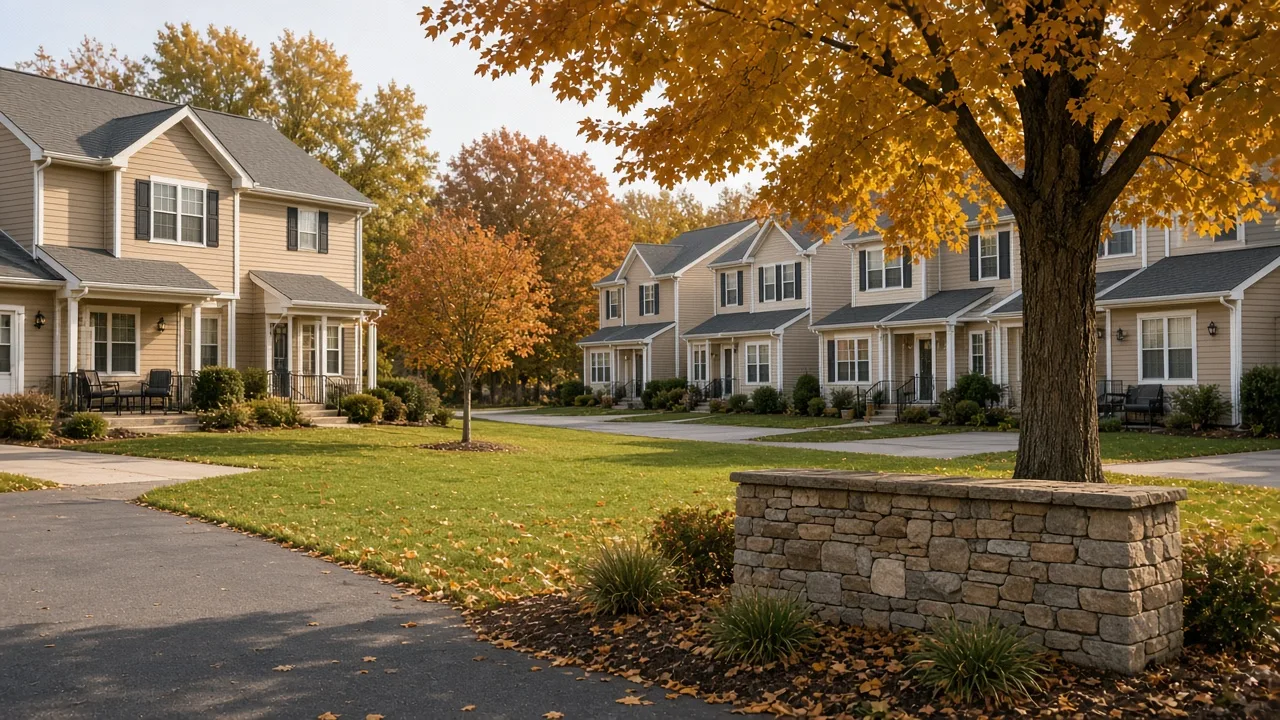
The mortgage is only part of the bill
Buyers sometimes compare a condo's lower purchase price with a house and assume the monthly cost is lower by the same amount. That misses the HOA fee, which is a real recurring charge every month just like the mortgage and utilities. Across Pennsylvania the median monthly HOA or condo fee is about $148, but that figure spreads a wide range, and a condominium fee more commonly runs from roughly $150 to $1,000 or more per month depending on the services the association provides, according to state HOA cost data and an overview of Pennsylvania HOA fees. The fee varies by building and community, so the number in one listing is never a safe guess for the next.
What the HOA fee actually pays for
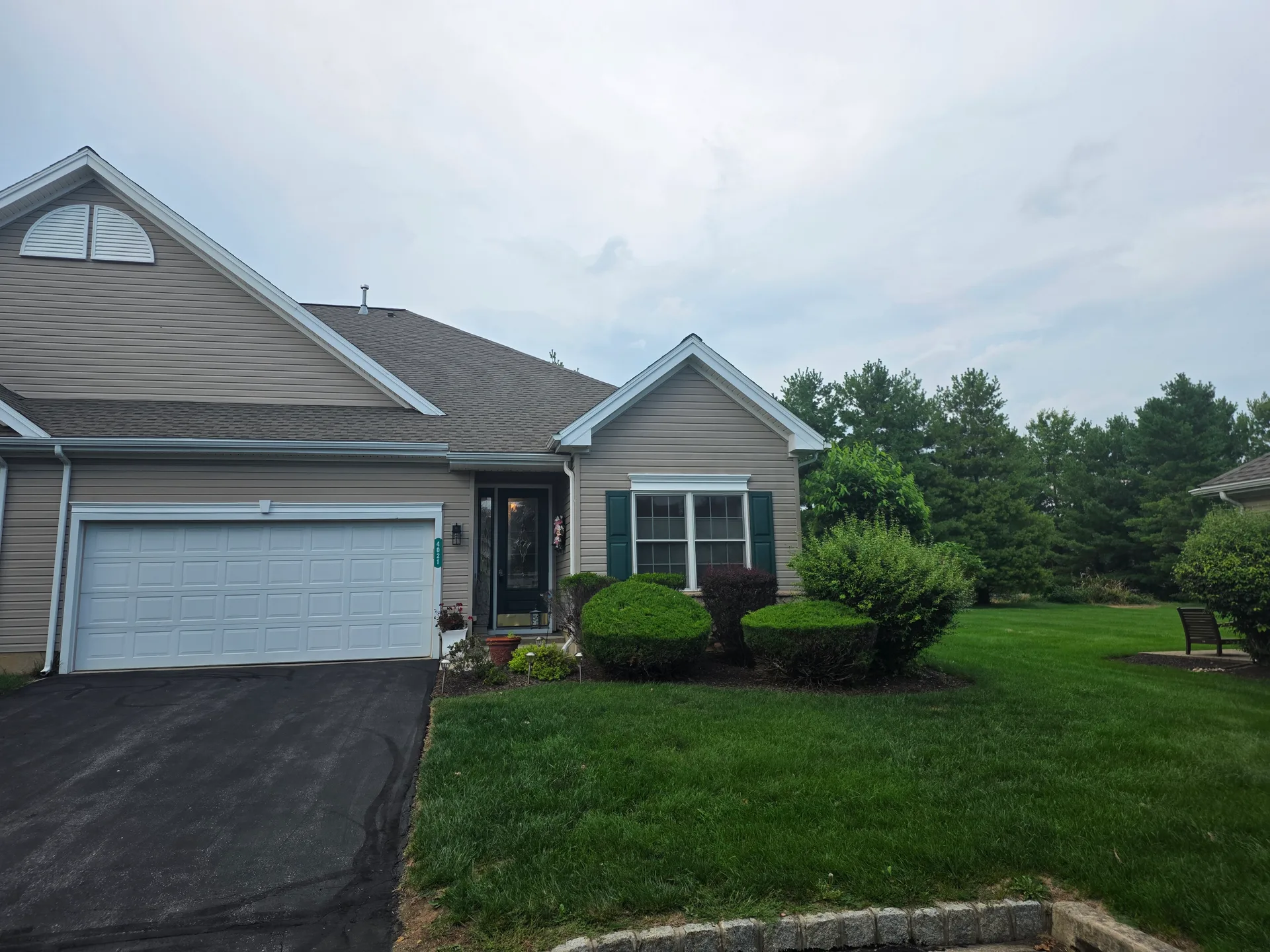
The fee is not a waste of money. It bundles the items a single-family homeowner budgets separately and pays directly: the roof, the exterior of the building, lawn care, snow removal, the master building insurance, common areas, and sometimes heat, water, or sewer. In the Willow Green community that this site features, the HOA covered lawn maintenance, snow removal, garbage service, common-area maintenance, roof, and siding, which is the arrangement that keeps first-floor living genuinely low maintenance, as described in the community guide.
Because so much is bundled, two communities with very different fee amounts can end up costing about the same to live in. A higher fee can simply mean the association covers more, while a low fee might leave big-ticket items, like a new roof, to be funded separately. That is why the fee amount alone tells you little until you read what it includes.
Special assessments: the charge nobody budgets for
A condo owner can also be asked to pay a special assessment, an additional charge on top of the regular fee when the association needs money for a major repair or a project the reserve fund cannot cover, such as a new roof, water line, or exterior renovation. Assessments can be billed in one lump sum or spread out over months or years, and Pennsylvania association buyers should treat them routine enough to ask about, as the HOA fee overview explains. Before you offer, ask the seller or the association whether any assessment is pending or already approved, and look at the health of the reserve fund in the association's financials, which you are entitled to review during due diligence.
Insurance, taxes, and utilities
The association carries the master building policy, but it generally insures only the building and common areas, not your belongings or the interior finishes. Condo owners buy their own policy, often called HO-6 insurance, to cover personal contents and interior improvements. Lenders typically require it, so treat it as a required line in the budget rather than an option.
Property taxes still apply to a condominium unit, and they do not shrink just because the home is a condo. The owner pays the same county, municipal, and school district millage as a house owner, plus the HOA fee on top. The breakdown for Northampton Borough and Allen Township, where the Willow Green community sits, is covered in the property tax explainer, and the exact municipality and assessed value follow the specific unit. Utilities not covered by the fee, such as electricity and sometimes heat or water, add their own monthly amount.
One-time costs at closing
The monthly picture is not the only one. At closing, a condo buyer pays closing costs on top of the purchase price, and in Pennsylvania a realty transfer tax applies to the sale. Some associations also collect a one-time capital contribution or an estoppel, or resale certificate, fee to document the unit's account status. Ask for these figures early so the cash you need at closing is not a surprise.
Condo versus house: closer than it looks
A house has no HOA fee, but the owner pays for the roof, the exterior, the lawn, snow removal, and the full insurance policy directly, and maintenance is commonly budgeted at about one percent of the home's value each year. A condo bundles many of those items into the fee and shifts the exterior burden to the association. Once everything is added up, the total monthly cost of the two types of homes is often closer than the bare mortgage comparison suggests, so the honest way to compare is a full monthly line-by-line budget, not the sticker price.
Questions to ask before you offer
Before making an offer on any condominium, get the exact HOA fee, what it covers, and whether heat, water, or sewer are included. Review the association's financials and reserve fund, ask about any pending or recent special assessments, and confirm your own insurance cost and the property tax assessment for the specific unit. The same careful questions apply to every buyer, and every qualified buyer is welcome in every Lehigh Valley community.
A truthful monthly budget is the difference between a comfortable purchase and a surprise. Call or text Tim Tepes at (484) 275-0056, book a short consultation at calendly.com/timtepes/30min, or browse timtepes.com. Tim has guided condo buyers in Willow Green and across Northampton, Lehigh, and Carbon Counties since 1990, and he will walk you through the full monthly picture before you make an offer.
Fee ranges, insurance expectations, and closing-cost points were verified as of November 20, 2026 against the sources linked above and general practice; exact fees, coverage, taxes, and assessments are set by each association and taxing body, so confirm them with the specific community, the district, and your lender before relying on them.